


Is Your Business Ready for a Capital Raise? 5 Signs to Look For
Raising outside capital is a big step for any company. It can unlock new growth opportunities, whether you're looking to expand operations, invest in new technology, or acquire another business. However, wanting to raise capital and being ready to do so are two very different things.
Raising outside capital is a big step for any company. It can unlock new growth opportunities, whether you're looking to expand operations, invest in new technology, or acquire another business. However, wanting to raise capital and being ready to do so are two very different things.
Savvy investors, lenders, and partners look for specific indicators of readiness before they commit funds. Understanding these signs can give your business a significant edge.
Here are five key signs that your business might be ready for a capital raise.
1. You Have a Scalable Growth Plan
A compelling vision is great, but investors need to see a concrete plan for how their money will lead to profitable growth. This means you've done the groundwork and can clearly demonstrate:
A well-defined market opportunity.
Product-market fit that's been validated.
Realistic growth milestones and a clear understanding of the funding needed to hit them.
If your growth is currently limited by things like a lack of working capital or infrastructure, and you can show how an investment would directly solve that problem, you're sending a strong signal that you're ready.
2. Your Financials Are Flawless
Any potential investor will thoroughly scrutinize your financials. They expect to see clean, consistent, and transparent records. Key expectations include:
GAAP-compliant (or near-compliant) reporting.
Consistent revenue recognition practices.
Well-organized books, preferably reviewed by an external accountant.
Reasonable forecasts that are supported by historical data.
If your financial house isn't completely in order yet, that's okay. Many businesses need help preparing their financial story for the scrutiny of the capital markets.
3. You Understand Your Capital Needs and Options
Are you seeking equity, debt, convertible notes, or a combination? Do you know exactly how much you need and how long it will last?
Sophisticated founders know that the structure of the capital is just as important as the amount. The clearer you are about the type of capital you're looking for and your reasons for seeking it, the easier it will be to attract the right partner.
4. You Have the Right Team in Place
Capital follows confidence, and nothing inspires confidence like a strong leadership team. Investors aren't just betting on your idea; they're betting on your ability to execute it.
Signs you're ready to raise capital:
You have a CEO who can articulate the company's story with clarity and conviction.
A CFO or controller is on board who can handle due diligence questions.
Your functional leaders (in sales, operations, and technology) have a proven track record.
If you've been running the show solo, it might be time to build out your team before you approach investors.
5. You've Already Invested in the Business
Investors want to see that you have "skin in the game." This could mean a personal financial investment, reinvested profits, or significant sweat equity. What's important is that you've already committed meaningful resources to get the business to its current point.
This commitment signals that you truly believe in the opportunity and that you're looking for a partnership, not an exit strategy.
Final Thoughts
Raising capital is more than just getting a check; it's about building a business that's inherently investable. The earlier you start preparing for this process, the smoother your capital raise will be when the time comes.
If you're wondering whether your business is ready for a capital raise, our team can help you assess your current position and build a smart path forward.
Do you want to know where your business stands? Schedule a 30-minute Capital Readiness Assessment with our advisory team today.
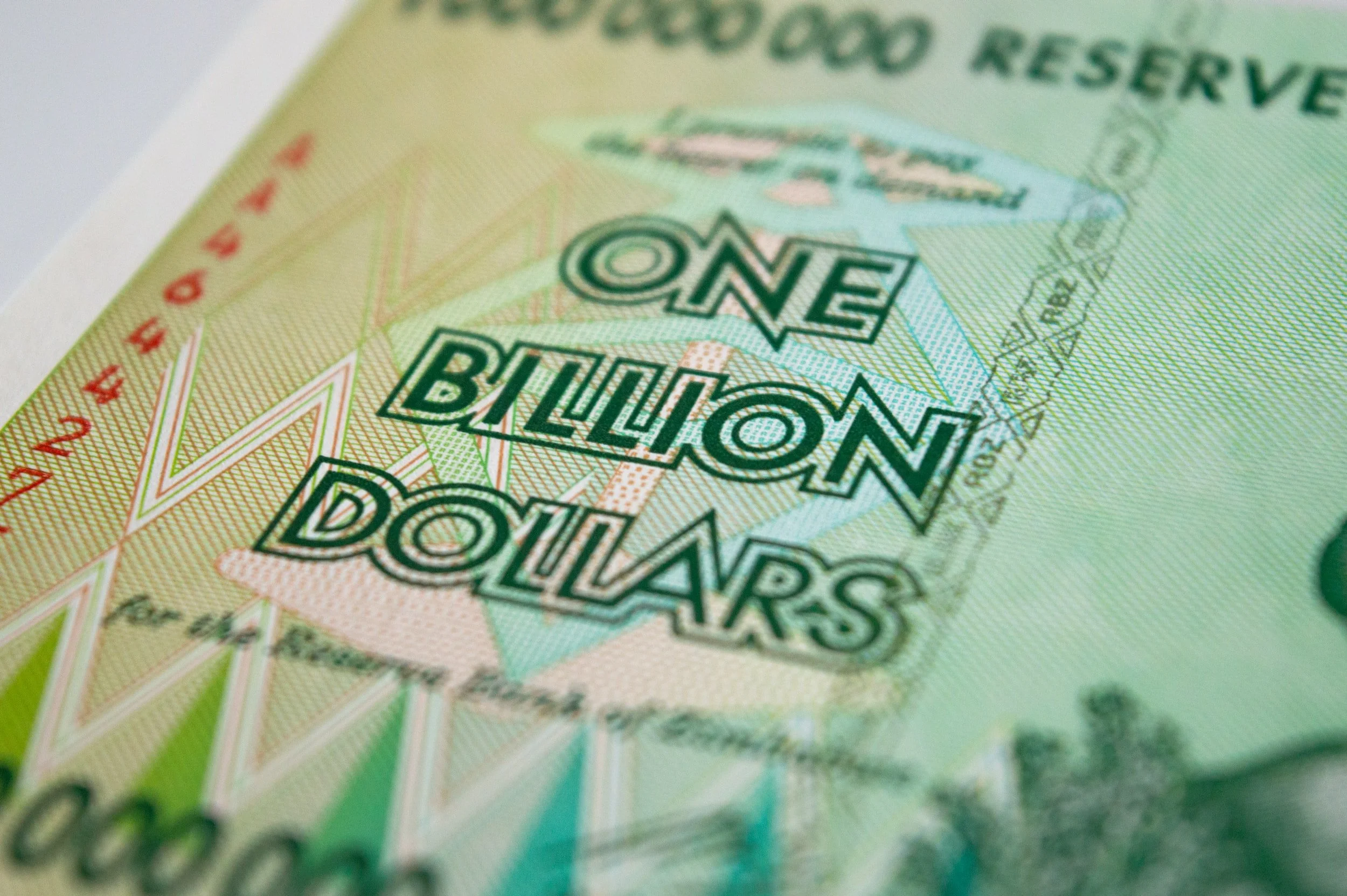
Hear that 7,567% crunching sound?
One year ago, rates were extremely low - as they had been since 2008, with the overnight SOFR at 0.03%. Today SOFR is 2.27% - a whopping 7,567% increase. All-in pricing for the most creditworthy borrowers is 2% - 4% higher than a year ago
Has John Paulson smashed his crystal ball on a pile of gold?
Credit Crunch Phase 1
The first phase of the credit crunch is rates and spreads increasing resulting in higher cost of borrowing. Liquidity abounds, but at a decidedly higher cost of capital, especially in the credit markets.
Part 1 of borrowing cost is the relevant index that rates are based on and all of the indices are higher now than a year ago.
A 7,567% increase – from 0.03 to 2.27
One year ago, rates were extremely low - as they had been since 2008, with the overnight SOFR at 0.03%. Today SOFR is 2.27% - a whopping 7,567% increase. All-in pricing for the most creditworthy borrowers is 2% - 4% higher than a year ago, the result of Fed actions to increase short-term rates and cool the economy, spreads widening with the cost of borrowing for lesser credit borrowers widening significantly over last year’s spreads. All interest rate indices have increased.
Part 2 of the borrowing cost is the spread the individual borrower is charged over the index and those spreads have widened – increasing by 25bp to 50bp for the most creditworthy borrowers to 200bp or more for lower quality borrowers. A year ago the most creditworthy borrowers might expect to pay 25bp-75bp over the relevant index with senior non-bank lenders in the 75bp-150bp range and junior lenders in the 150bp-200bp range, meaning there was very little risk premium in the market. Today the lower range of spreads is 50bp-125bp over the index for strong performing $50M EBITDA middle market companies and 300bp-400bp at the higher end for average performing $10M EBITDA middle market companies. The spreads have increased and risk premiums have returned.
Credit Crunch Phase 2
The second phase of a credit crunch is an increase in covenants, terms and conditions.
This takes many forms. Prime among them are higher cash flow to debt ratios and lower debt to equity requirements for new/renewing deals. Lenders want to see more cash flow cushion in monthly budgets simultaneous to the monthly borrowing cost increasing. It is a two-fanged viper. New deals see lower debt to cash flow ratios, higher debt yield covenants and higher equity requirements with lessened reliance on management roll and greater demand for cash equity.

Lenders want to see more cash flow cushion in monthly budgets simultaneous to the monthly borrowing cost increasing… It is a two-fanged viper!

John Paulson has smashed his crystal ball on a pile of gold…
Credit Crunch Phase 3
The third phase of the credit crunch is credit drying up.
We are at the stage where lenders do not yet know if we are heading into a recession-lite, The Great Recession Part Deux (or worse) or a small speed bump. During The Great Recession liquidity dried up seemingly overnight. Companies that had working capital lines drew them down fully if they could. Very quickly lenders started cancelling credit facilities of all types, calling existing loans and not renewing outstanding balances on even performing matured loans. Hard money lenders, the lenders of last resort, affectionately referred to as vultures in the industry, were the only option for many.
Credit will become increasingly less available over time until a clear direction for the economy and that is because markets, lenders in particular, hate uncertainty, and...
Uncertainty reigns. Markets generally abhor VUCA = Volatility Uncertainty Complexity Ambiguity. But that is exactly where we are today. Bankers who can sleep at night wake up fearing the morning financial press headlines. They wilt at the thought of Fed Chair Jerome Powell giving a speech at some college where he might announce MF LRI, many future larger rate increases. They tremble as they scour the markets for any early warning sign of defaults or regional instability or supply chain disruptions or their shadow unexpectedly appearing on the ground beside them, a fresh batch of Ursula’s poor unfortunate souls.
This is where having a really good crystal ball pays off. John Paulson smashed his on a pile of gold after personally making $4B on the 2008 housing market crash, leaving us all in the same predicament: guessing for now and saying with hindsight in a year “I should have known that was going to happen”.
What do I do today? Buckle in, build cash supplies and if you are thinking that you want to sell your business in the next few years, act quickly or plan to wait it out. Vertical Capital Advisors will debut a new valuation tool this month that will enable us to provide anything from a quick snapshot to a comprehensive analysis of your company’s current value. There is still a record amount of debt and equity capital available but multiples have softened this year so don’t wait too long if you are serious about exploring a possible sale.